I came into memory in a world of free color. Now the world feels gray, and art is neither inventing nor resisting this slow erasure. Broad brushstrokes, thick layers of pigment, the ability to hold whole bodies of material structure and our own bodies inside color was never learned. It did not come through policy. It was innate. Yet the sky has dimmed, its colors drained, and things seem to hang low for longer. The brilliant hues that once carried warmth now feel cold, and this should not be surprising; in textiles and manuscripts we see proof that color cannot hold itself still, that it bends under the weight of history and becomes something else. To be alive, to exist among others, has always required a relationship to color, whether expressed through identification or through the refusal of it.
The word traces back to the Latin colos, meaning hue, tint, or complexion, and to the older root kel, to cover or conceal. Even in its origin, color names an act of hiding, where skin and surface become sites of meaning long before choice intervenes. Its place in art history has often been neglected, reduced to the belief that color is universal and self-evident. We are taught that where there is life there is color, and that this presumed inevitability renders it neutral. Yet nothing about color is neutral. Across time, it has carried dense aesthetic and symbolic labor. In ancient Greek and Egyptian thought, gray signified wisdom, balance, and endurance, marking philosophers’ pursuit of complexity and the pyramid’s material meditation on time, mortality, and continuity, and extending through ancient architecture as a sign of permanence and strength. This is the politics of color: hues assume meaning unevenly, shifting across historical moments and cultural contexts, at times operating in direct opposition to their pasts.
Applied to the contemporary New York landscape, gray no longer signals endurance but functions to obscure and muddle Black presence, a visual register of erasure and constraint that measures who is allowed to persist and who is rendered in the peripheral. More precisely, it marks who is permitted to survive into the future. It is not neutral or even muted. It is an imposed displacement through color itself. And if color participates in exclusion, then vibrancy itself must be questioned. What does it mean for a city to appear polished while systematically dulling the histories and presence of the communities that shaped it?
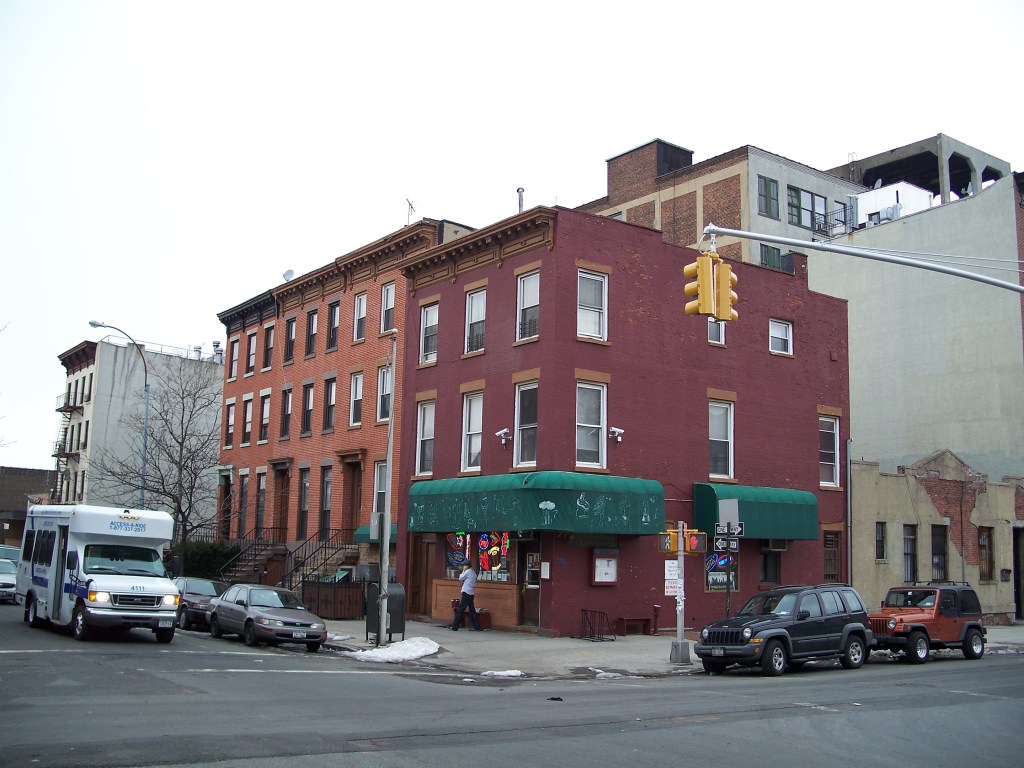
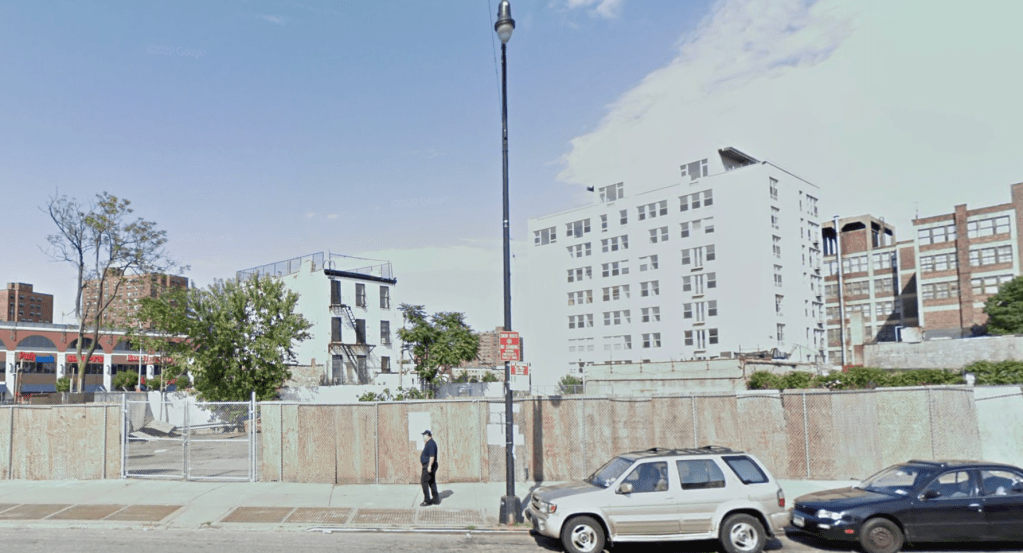
Recent reports sustain the same idea: gray has become the official color of gentrification. Gray is a color of neutral ambiguity. It is unemotional, detached, the color of compromise between two strong colors black and white. In some contexts, the verb graying names a process that is unstable, a middle zone that fades from darkness to light and then slips back again. Its a marketable signal of quiet erasure. It becomes a negation of Black life, the unmaking of the Black family, and the disappearance of the material structures that hold our stories. But when placed on the streets, gray broaches a new territory. It breaks the continuous spatial narrative of the city. On a single block, the warmth and nostalgia of brown, red, and orange brick in our brownstones and pre-war apartments is interrupted. The rupture is hostile. It arrives as wide stretches of monotonous panels, facades checkered with bargain glass, and balconies that jut over the street like detached onlookers, gesturing toward community, seeking proximity while remaining above it. Gray carries a kind of remorse; it is funerary, but not Black—not the unmistakable sign of death, only the liminal moment before it. Nobody marks the death of a city landscape from a home drenched in vivid color. That positioning is reserved for the witnesses, those who were already in place.
This is, of course, a generalization. There are nuances worth honoring, and I am not interested in arguing the specifics. I am more interested in what happens when the gray sets in. What occurs when a landscape submits to the color of compromise and settles into a permanent state of transition. Not only between markets and peoples, but between colors themselves. Gray holds tension. As it moves closer to black, it becomes dramatic, dense, and mysterious. As it leans toward silver or white, it brightens, appearing refined, even hopeful. This pull is powerful. When expanded across a city, gray etches itself into the demographic gravity of a place. It is unstable yet controlled, deliberate yet unfinished, and it is never a perfect meeting of black and white.
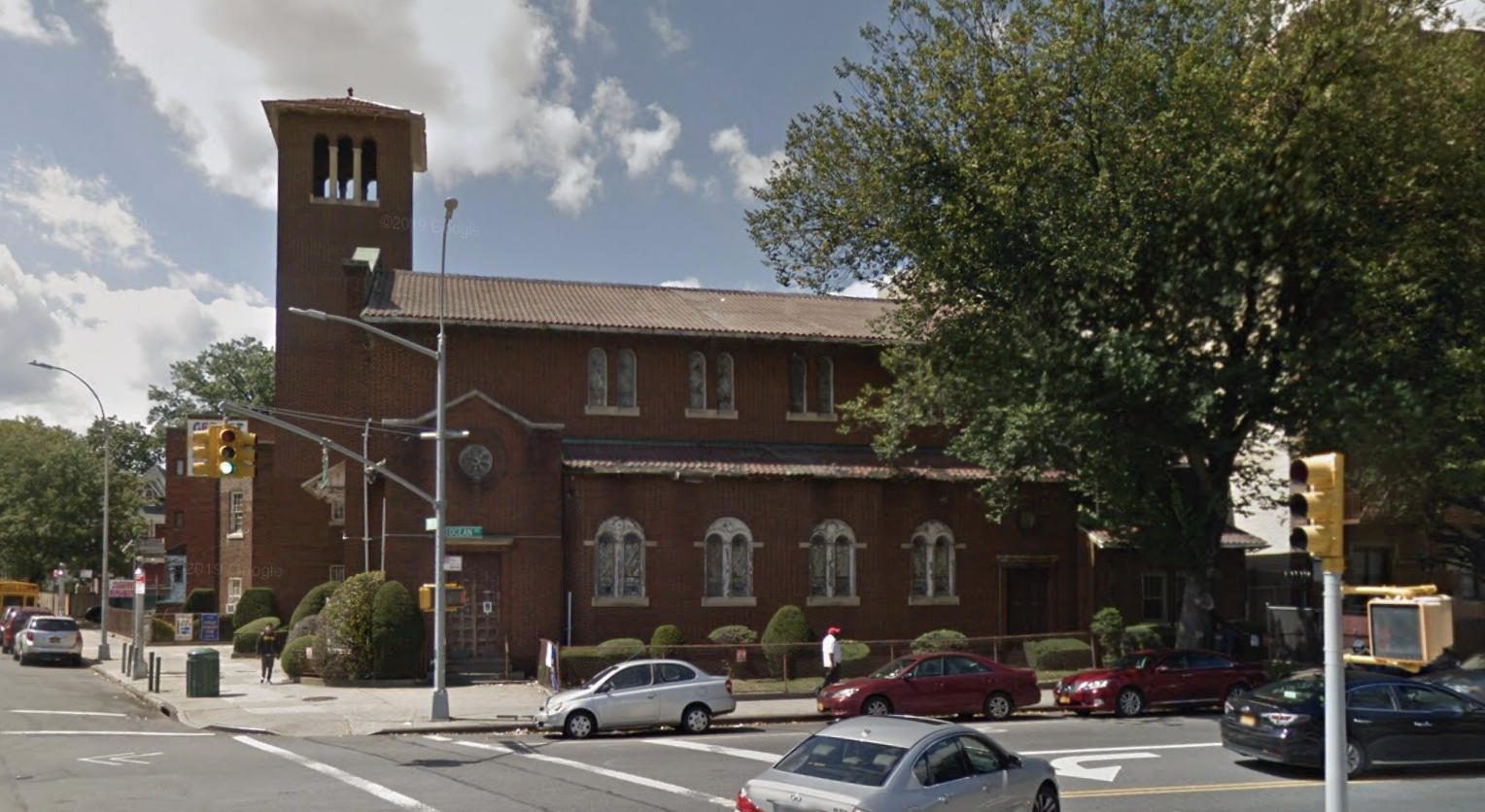
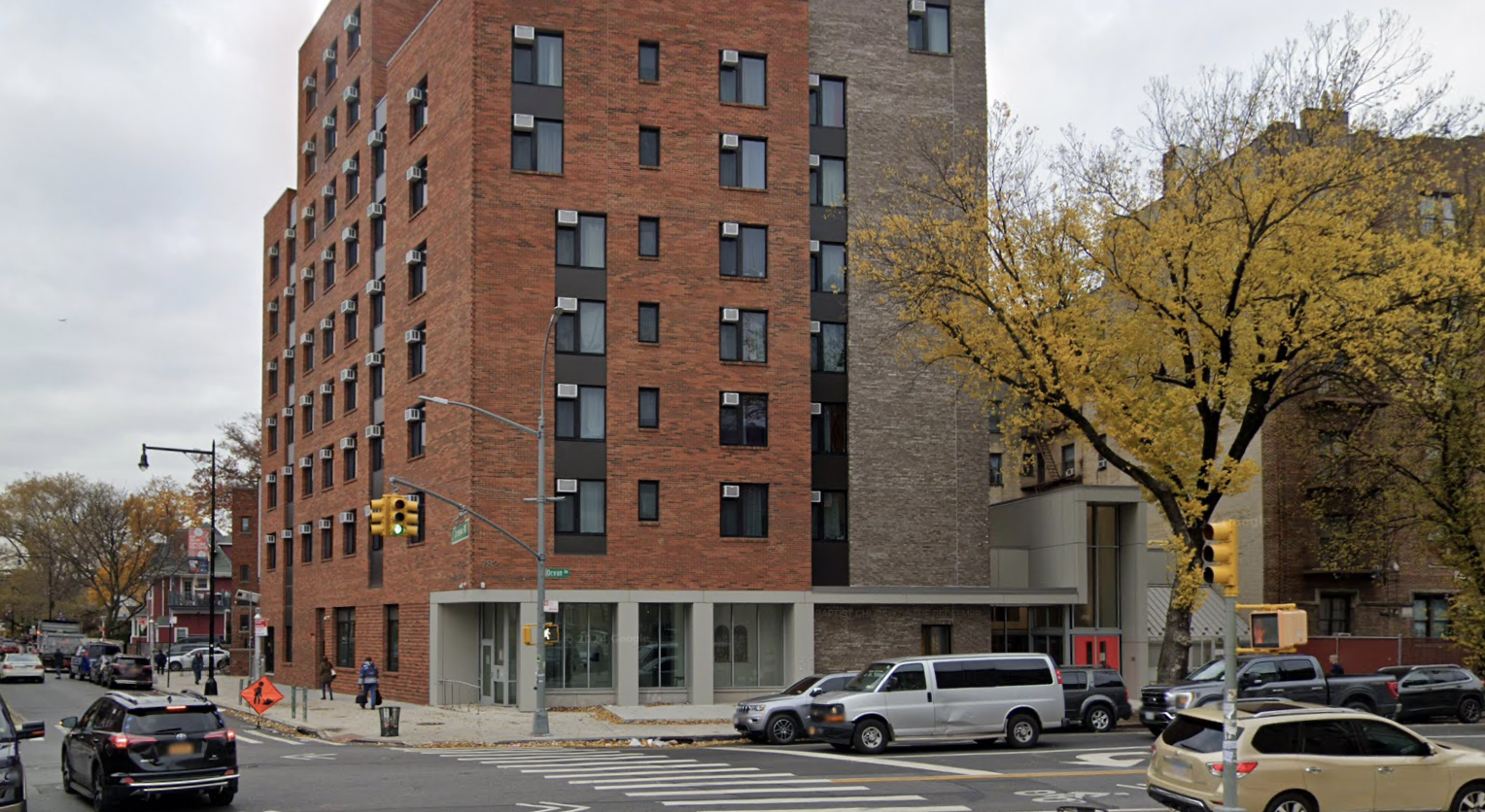
To reckon with this world, we must see color not as a neutral aesthetic choice but as a material force shaped by social, economic, and political hierarchies. In Brooklyn, the flattening of color through gray facades, neutralized public spaces, and carefully muted developments signals more than visual change. It marks erasure, a mass disappearing through color. Histories are softened, communities are quieted, and bodies once central to the life of the neighborhood are rendered invisible. A city cannot call itself vibrant when its palette is curated to exclude. Vibrancy lives in difference, in memory, in the continued presence of those whose labor, culture, and care have shaped the streets. To name the politics of color is to admit that aesthetics are never innocent. They tell us who belongs, who is seen, and who is slowly rendered out of place.
There is another grayness we must learn to read. Not an absence, not a failure, but a condition always on the verge of becoming. Gray is too often understood as an endpoint, a slow drift toward whiteness, yet this framing misunderstands its politics. Gray is not merely a precipice to erasure. It is a precarious distance from Blackness, a moment of suspension where power, memory, and survival contend. When viewed through the lenses of political history and color theory, gray reveals itself as unstable terrain, charged with possibility. It should no longer be assumed that gray is destined to dissolve into whiteness over time. Instead, we must recognize that gray matter holds the capacity, under the right conditions, to return to its original state. Black.
Gray is frequently positioned as neutral or transitional, an assumed drift toward whiteness that obscures how color functions within regimes of visibility and power. Read more carefully, gray marks a contingent distance from Blackness, not its disappearance, a condition produced by historical pressures rather than chromatic inevitability. This instability is not symbolic but material. Gray surfaces register accumulation, wear, maintenance, and control, while retaining the capacity to be otherwise. They do not resolve into whiteness by default. Under certain conditions, gray can return to Black, not as recovery of an origin but as a reassertion of presence within a field structured to manage and dilute it. Streets, walls, and public facades thus operate as sites where Blackness persists unevenly, neither fully erased nor fully visible. Gray, in this sense, is not neutral but operative, a threshold through which the endurance of Black life becomes legible without recourse. Even in gray, Blackness remains capable of return.
In this light, the politics of color offers instruction: to see clearly, to reckon honestly, and to make space for Black life to persist in its full spectrum. To speak to the words of Darby English in How to See a Work of Art in Total Darkness, Blackness is not reduction, but totality. And gray stands at this precipice, yet it is bound to a futurism that predates the contemporary, one rooted in ancestral knowledge, survival, and the ongoing practice of becoming.
And perhaps that is greying in full effect, the quieting of memory under layers not yet acknowledged, a soft erasure that feels inevitable until we name it. Yet even in gray space, the traces of what was once vibrant remain, waiting for recognition, for the care and attention that can coax Blackness back into the streets, into our bodies, into our shared lives. And so we return to memory, to the warmth of smoke, of laughter, of color pressing itself into our palms, and we carry it forward, not as nostalgia, but as a practice that refuses to let the city, or its people, disappear beneath the weight of neutrality.

 LECTA
LECTA 
Leave a comment